- Home
- ADR Transport
ADR Transport
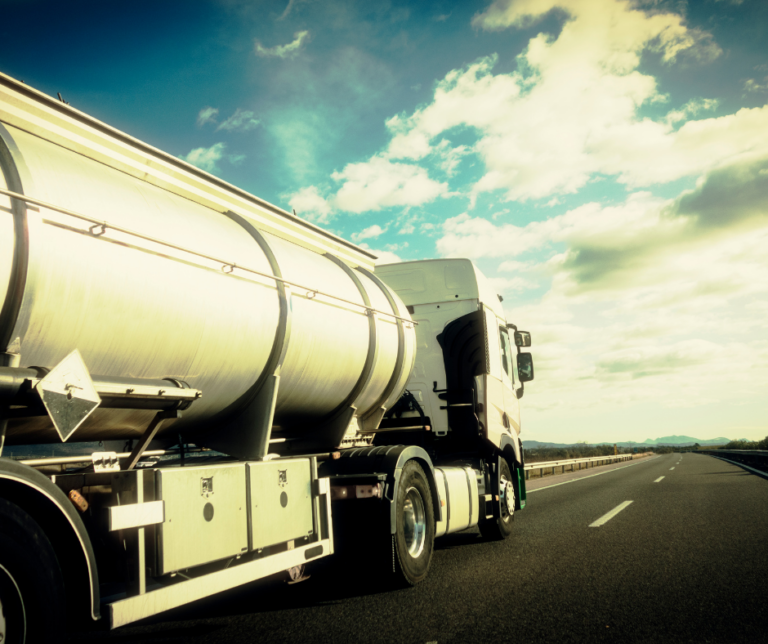
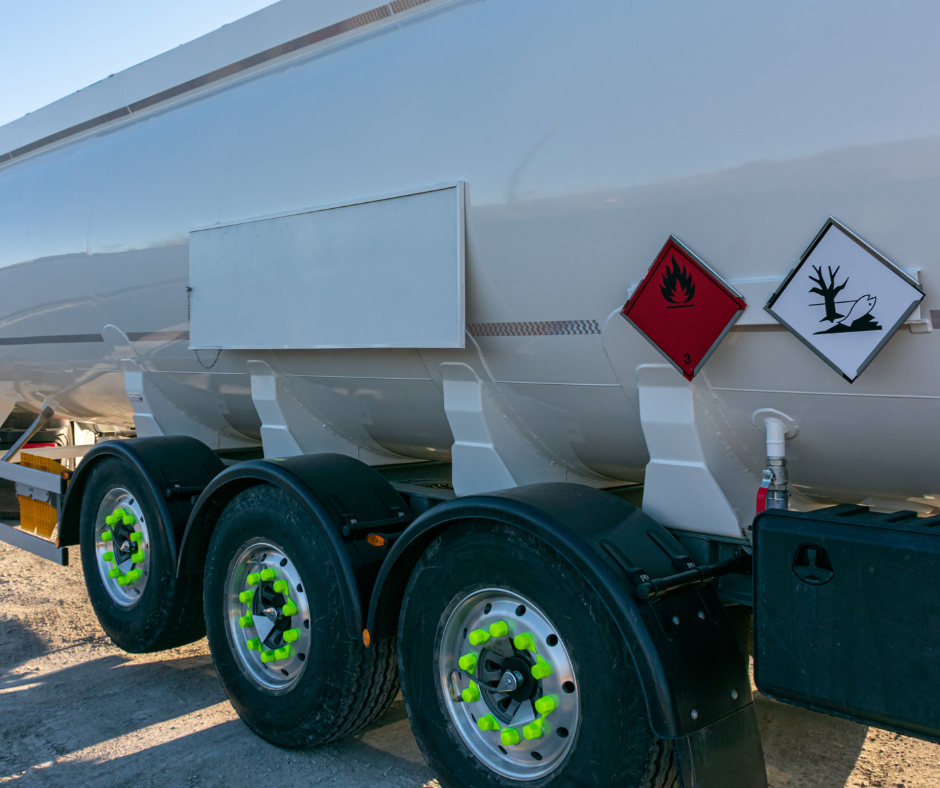
The legal basis for the transportation of dangerous goods is the European Agreement concerning the International Carriage of Dangerous Goods by Road, known as ADR. It is in it that the classifications of dangerous goods, the rules for their marking and safety procedures are contained. Our team is well acquainted with these regulations and constantly follows changes in the law, ensuring that our clients are fully compliant with legal requirements.
ADR dla środowiska
The knowledge and experience of our staff allows us to effectively manage the transportation of ADR goods, minimizing the risk of difficulties or dangers during transportation. We provide a comprehensive service, including not only the selection of a suitable carrier, but also complete documentation necessary for the transport of dangerous goods, including, among others, transport documents, instructions for drivers and ADR certificates.
Trained drivers
To transport dangerous goods, you are required to be at least 21 years old, take an ADR course and obtain the appropriate certificate, which is valid for 5 years with the possibility of renewal for another 5 years.
Driver’s equipment for transporting ADR goods
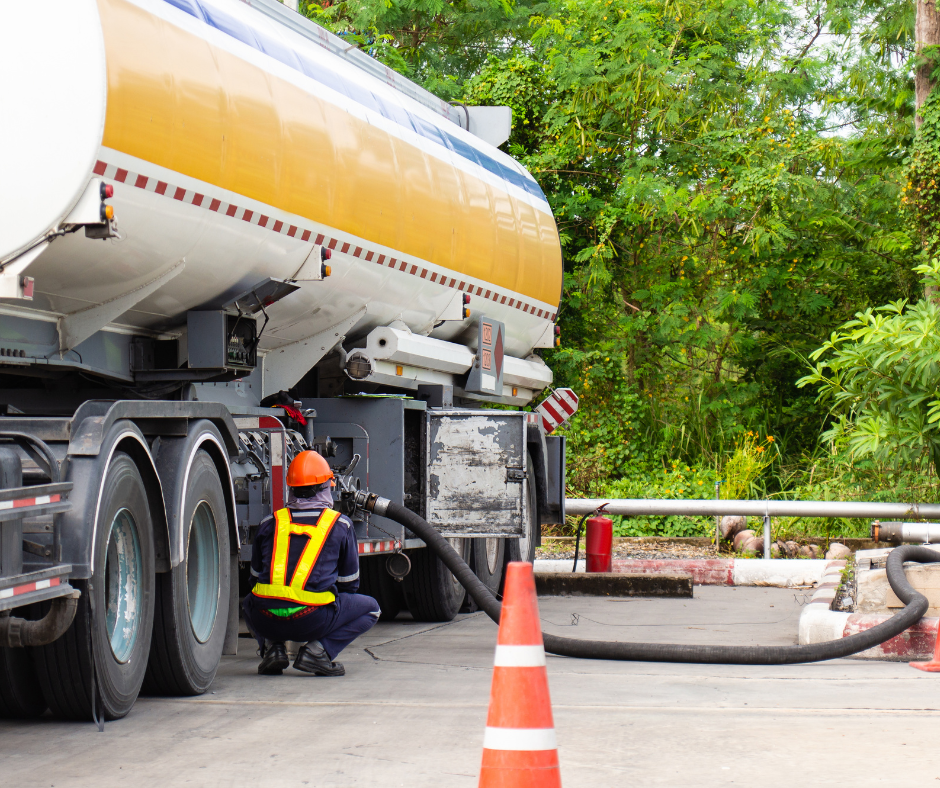
Every driver transporting ADR goods must be equipped with the appropriate equipment, such as two fire extinguishers, a wedge to secure the vehicle on an inclined surface, a flashlight, a reflective vest, safety glasses and gloves.
Documentation necessary for transporting ADR goods
A driver transporting ADR goods must carry a transport document with the details of the goods being transported entered, a written driver’s manual and an ADR certificate.
In summary, the transportation of dangerous goods is an area that requires specialized knowledge and experience. With our experts in ADR transportation, we can provide our clients with a comprehensive and safe service, minimizing risks and ensuring compliance with legal requirements.
Types of cargo that require ADR marking
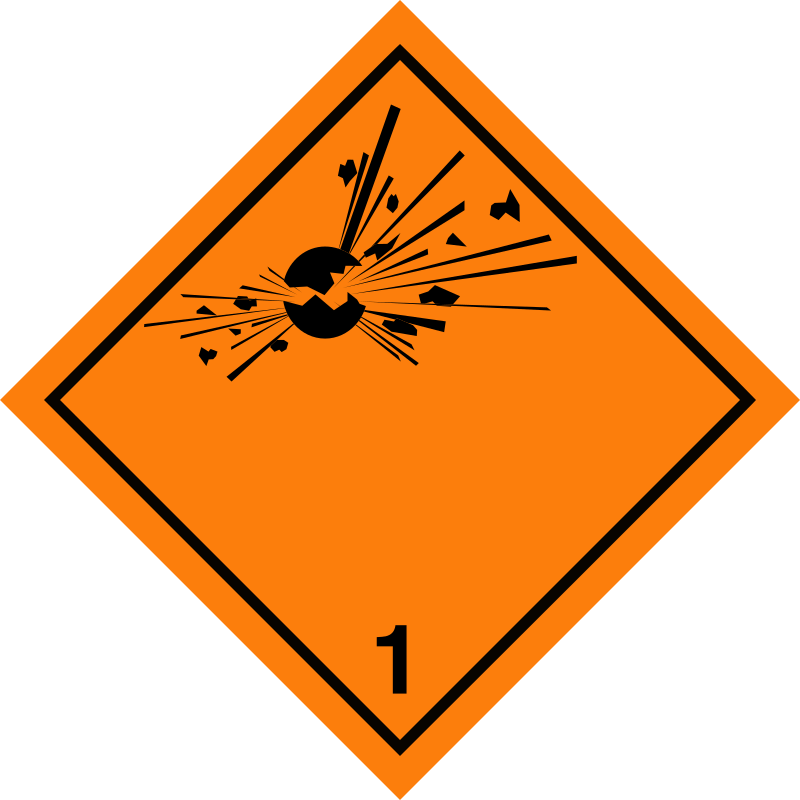
Explosives - substances that can explode under external stimuli, such as glycerin or fireworks.
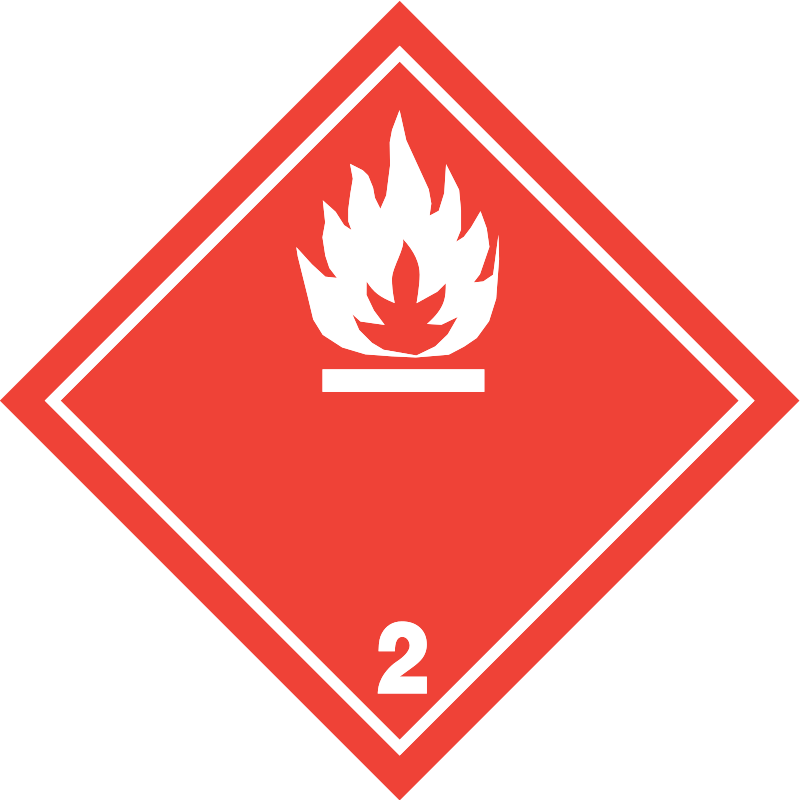
Gases - substances with corrosive, poisonous or flammable properties, such as chlorine, propane-butane cylinder.
Flammable liquids - substances that can ignite on contact with an open flame, such as gasoline or kerosene.
Flammable solid materials - substances that can ignite or explode under certain conditions, such as sulfur, matches, rubber.
Spontaneously combustible materials - substances that can ignite spontaneously under normal conditions, e.g. white phosphorus.
Materials that produce inflammable gases in contact with water - substances that can react with water to produce flammable gases, e.g. carbide, sodium.
Oxidizing materials - substances that contain excess oxygen and can increase the intensity of a fire, e.g., potassium permanganate.
Poisonous materials - substances that can cause fatal poisoning, e.g. potassium cyanide, arsenic.
Infectious materials - substances that can cause epidemics or disease, e.g., medical waste.
What we provide
- Transport planning and organization
- Choice of means of transportation
- Supply chain management
- Customs services and documentation
- Temperature-controlled storage
- Additional services
- Emergency support